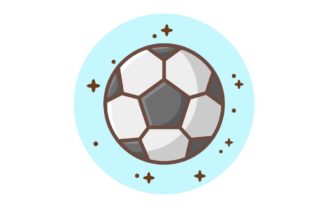
Soccer Ball Icons: A Versatile Embroidery Asset for Practical Projects
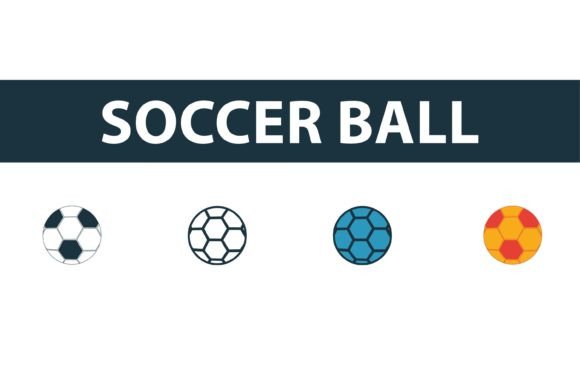
When a new design lands in my studio library, my first question is always a practical one: will this translate well into thread and fabric? The Soccer Ball Icons set arrives not as a complex, pictorial scene, but as a collection of clean graphic icons. The immediate impression is one of sporty simplicity and universal recognition. This isn't a hyper-detailed illustration; it’s a graphic symbol stripped down to its essential, stitchable form. That’s a promising starting point for embroidery, where overly intricate details can become a muddled mess under the needle.
The Mood and Personality of a Stitched Soccer Ball
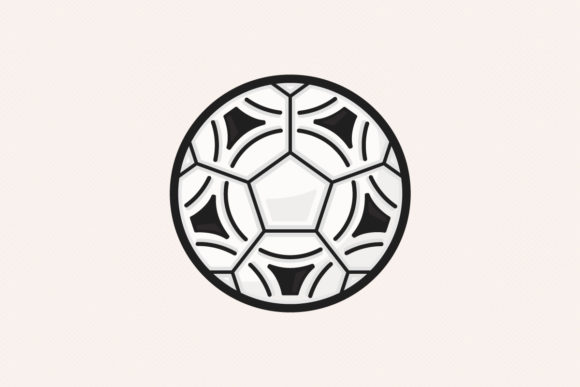
The design’s personality is clear, confident, and universally friendly. It evokes energy, play, teamwork, and a sense of casual sportiness. This makes it a natural fit for projects that aren’t overly formal or ornate. I immediately think of youth sports, casual fan apparel, personalized gifts for players or coaches, and products for active families. The icon’s shape—that classic pentagon-patterned sphere—is inherently balanced and geometric, which lends itself to clean embroidery execution. The layout as a standalone icon means it can be placed precisely where you want it, without worrying about integrating it into a larger, crowded composition.
Where This Icon Finds Its Perfect Project Home
In real-life embroidery situations, this design shines on items where the theme is clear and the application is straightforward. Picture a custom embroidered tote bag for a soccer mom, a simple left-chest placement on a youth sweatshirt, or a small accent on the corner of a tea towel in a kitchen that cheers for a local team. It’s excellent for baby clothes or nursery decor when celebrating a new little fan, or as a crisp, clean patch on a canvas backpack. For small business owners and Etsy sellers, this icon can anchor a whole product line: think of embroidered caps, aprons for game-day barbecues, or pillow covers for a sporty living room. Because it’s a graphic, not a photorealistic image, it also works beautifully in digital product previews and printable mockups, offering clear, scalable visuals for your online listings.
Navigating the Realities of the Stitching Process
Performance on fabric is the true test. The geometric nature of the Soccer Ball Icons is a significant advantage. The defined shapes and lines should translate well into satin stitches for borders and fill stitches for the ball’s segments. However, the success hinges entirely on the quality of the underlying embroidery file. With the provided canvas size, there’s potential for good detail, but the actual stitch count, density, and underlay will determine everything.
On textured fabrics like fleece or terry cloth, the icon’s solid shapes will hold up better than fine lines. On stretchy fabric like t-shirts, proper stabilizer is non-negotiable to keep the polygons from distorting. I would be cautious about using it on very thin fabric without a lightweight stabilizer, as the stitch density could potentially cause puckering if it’s too high. For dark fabric, you’ll need to think carefully about thread color contrast—a white or bright yellow ball will pop, but a dark gray or navy version might lose its definition.
Special Considerations for Tricky Applications
Curved surfaces like caps present a unique challenge. The circular icon is a good candidate for cap embroidery, but the designer must ensure the file is adapted or tested for that curvature to prevent the design from looking warped. Similarly, for very small hoop sizes, you must inspect how the small details, like the seams between pentagons, are rendered. If the file uses tiny, short stitches for these details, they might get lost or become brittle. There’s no tiny lettering here, which is a relief, but the interior pattern details are the critical focal point. Always test the design on scrap fabric first, using the exact material and stabilizer combo you plan for the final project.
The Impact on Your Product and Your Customer
From a business and presentation perspective, a well-embroidered Soccer Ball Icons design boosts visual appeal through clarity and theme recognition. This straightforward stitching clarity directly enhances the perceived product value. A clean, recognizable icon looks professional and intentional, which builds customer trust in your handmade product. For a personalized gift, it feels thoughtful and specific without being overly customized. For a small shop product, it contributes to brand consistency if you offer a series of sport-themed items.
Its universal recognizability aids immediate buyer engagement—people know what it is and what it represents instantly. This isn’t a niche, abstract art piece; it’s a widely understood symbol, which makes it highly giftable and commercially viable for craft fair products or boutique branding for a sports-focused shop. The graphic style feels contemporary and adaptable, suitable for both children’s items and casual adult apparel.
Essential Designer Notes Before You Hoop Your Fabric
My final practical judgment always includes a checklist. For this set, given the multiple file formats, your first step is to identify which format is the actual machine embroidery design file (likely the DXF, but this depends on your machine’s compatibility—always confirm this). The other vector and raster files (AI, EPS, SVG, JPG, PNG) are invaluable for digital product sellers creating mockups or for using the design in complementary print materials, but they are not the stitch file itself.
- Always verify the licensing terms. Can you use it for commercial embroidery projects and sell the finished items? This is crucial for Etsy sellers and apparel decorators.
- Test stitch density on your specific machine. A design that looks good on screen can be too dense for lightweight fabrics.
- Check hoop size requirements. Does the design need a minimum 4x4 hoop, or can it be scaled down for a 3x3? The canvas dimensions suggest scalability, but the embroidery file’s parameters will dictate this.
- Inspect small details in a stitched sample. Do the inner geometric lines remain clear and unbroken?
- Use proper stabilizer for your chosen fabric. This is not a step to skip with a graphic icon.
- Compare light and dark fabric backgrounds by stitching samples or at least creating black and white mockups to plan your thread palette.
In summary, the Soccer Ball Icons design is a robust, versatile embroidery project asset. Its strength lies in its graphic simplicity and universal theme. It asks the embroidery designer to focus on execution—fabric choice, stabilization, thread colors, and machine settings—rather than on interpreting a complex artistic vision. When those practical elements are handled with care, this icon transforms from a digital graphic into a crisp, professional, and highly marketable finished product that speaks directly to a passionate, wide-reaching community.