Soccer Glass Graphics for Craft Blog Visuals
As a blog designer who builds editorial layouts daily, I’m always on the lookout for design assets that can instantly tighten a page’s visual communication. The moment I unzipped the Soccer Glass download, I knew it was a graphic design asset that would make a smart addition to a content creator’s toolkit. The file package includes SVG, DXF, PNG, PDF, AI, JPG, and EPS formats, all neatly organized in a zipped folder. That multi-format delivery signals a professional-grade digital product ready for both craft cutting machines and digital publishing. Whether you’re firing up Cricut Design Space, Silhouette Designer Edition, Make the Cut, or Sure Cuts A Lot, the SVG and DXF files have you covered. For blog work, the transparent PNG and high-resolution JPG are the instant stars.
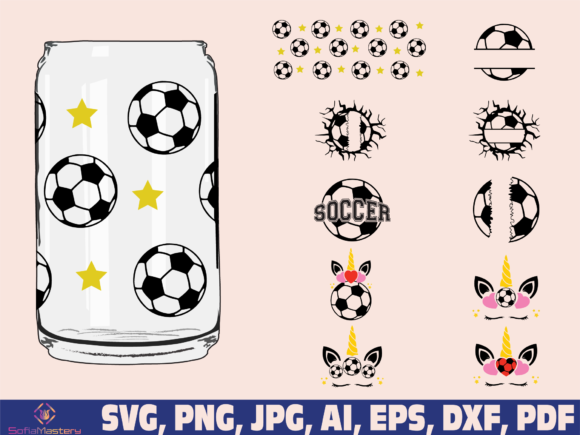
The illustration itself is a polished, detailed rendering of a drinking glass filled with a soccer-themed design—a bold, energetic visual that immediately evokes a sporty, social, and celebratory mood. It feels playful enough for a game-day party blog, yet clean enough to sit comfortably in a modern sports editorial or a niche lifestyle site. This is not a clumsy clip-art piece; it’s a carefully constructed creative design that can anchor a visual identity. I’d describe the editorial mood as crisp, festive, and slightly nostalgic, like a well-designed match-day poster. It carries a decorative quality that works beautifully when you want content to feel approachable and clickable.
Who This Graphic Speaks To (and the Niche Fit)
This graphic slides naturally into a wide range of content niches. Soccer mom blogs, sports bar websites, World Cup countdowns, healthy hydration for athletes, soccer-themed party planning, and craft tutorial sites that show how to make custom glassware will all benefit. The graphics inside the glass—a soccer ball, net, and dynamic field lines—read instantly, even at a glance. That’s a huge win for blog graphics that need to perform in crowded feeds. The crafts angle is equally strong: if you’re a maker who etches or prints on glass, this file becomes a bridge between your physical creations and your digital content. Use the same design on a real glass and on your website header, and you’ve built unshakable brand identity.
Real Publishing Workflow: Where Soccer Glass Fits
I imagine a blogger preparing a series of match-day recipes. The workflow goes like this: open the Soccer Glass PNG in your photo editor, layer it over a team-color background, add a recipe title in a bold sans serif, and export. Suddenly you have a Pinterest pin that stops the scroll, a blog featured image that matches the article’s energy, and a newsletter header that ties the edition together. Because the glass shape is tall and centered, it works especially well for vertical layouts—think Pinterest, Instagram Stories, and lead magnet covers. For site owners, it can serve as a category thumbnail for “Game Day” or “Soccer Snacks,” instantly improving navigation and visual hierarchy.
Here are the publishing scenarios where I’d reach for this asset first:
- Blog featured images – Pair with bold overlaid text for a magazine-style hero.
- Pinterest pins – The tall, container-like shape holds attention in vertical feeds.
- Article headers – Use a cropped version as a decorative accent behind the headline.
- Website banners – Scale up the AI or EPS file for a full-width homepage promotion.
- Newsletter graphics – Add a small version to the top of your weekly email for a branded touch.
- Lead magnets and digital guides – Place it on the cover of a PDF recipe book or a soccer-themed party planner.
- Downloadable resources – Include the graphic on a printable checklist or worksheet for subscribers.
- Social media graphics – Use it for Facebook event covers, Instagram posts, and X (Twitter) headers.
- Canva templates – Upload the PNG to Canva and build shareable templates for your audience.
- Affiliate content visuals – Create product roundup images for soccer gear, glassware, or party supplies.
Visual Performance and Reader Trust
When you place a well-designed graphic like Soccer Glass on a content page, you’re not just decorating—you’re sending a signal of quality. For a small business branding effort or a monetized blog, that signal directly impacts content marketing results. A stronger first impression can lift time-on-page, reduce bounce rate, and improve click-through on related posts. The glass motif, with its crisp lines and recognizable soccer iconography, creates a sense of cohesion. When readers see the same graphic across your blog, social media, and digital download offers, they begin to trust your visual system. That trust translates into higher email sign-ups, more affiliate link clicks, and a professional editorial presence.
I tested the Soccer Glass file in several mock layouts. On a light background, the transparency of the glass elements shines, adding depth without overwhelming the text. When placed over a dark green field, the white soccer ball inside the glass pops aggressively, perfect for a social media graphic that needs to grab attention in a split second. The visual hierarchy is well-balanced: the top of the glass naturally draws the eye upward, leaving a perfect logical space for a headline or call-to-action. For affiliate marketing content, this kind of asset helps product images feel curated rather than copied from a generic store feed.
Where Soccer Glass Shines Brightest in Content Layouts
After layering this graphic into a dozen typical blog scenarios, I’ve identified the sweet spots. Hero images gain a professional, editorial look without a photoshoot. Article thumbnails on a category page become instantly recognizable—a reader scanning for soccer content will spot the glass motif before they even read the headline. For digital guides and printable design resources, the vector files (AI, EPS) let you scale the graphic to A4 or US letter without losing a single curve. I’ve even used it to create a branded media kit cover, and the result looked like a custom commissioned illustration. The file’s versatility across both web design and editorial design makes it a rare find.
Specifically, the asset thrives in:
- Hero images and website headers for sports, food, or family blogs.
- Pinterest pins that need a clear focal point and strong verticality.
- Category thumbnails (e.g., “Soccer Recipes,” “Game Day Crafts”).
- Newsletter headers that establish a consistent brand mark.
- Content upgrades and lead magnet covers (PDFs, checklists, mini guides).
- Social media previews for blog posts, where the glass acts as a content label.
Where to Use Soccer Glass with Careful Judgment
As much as I love this graphic, no design asset is universally perfect. When scaled down to a tiny mobile thumbnail—say, 150px wide—the intricate details inside the glass can blur. You’ll need to zoom in, crop intentionally, or use the simplified black-and-white version (from the DXF or a high-contrast PNG) to maintain readability. Avoid placing it on already busy, patterned backgrounds; the transparency of the glass may compete with the background noise, confusing the viewer. If your content niche is deeply corporate, serious, or minimalist—like legal advice or financial planning—the playful nature of a soccer glass might undercut your authority. The same holds for text-heavy blog images: if you’re stacking five lines of small copy over the glass, the graphic will fight for attention and hurt readability. Use it as a supporting element, not as a backdrop for dense information.
Also, be mindful of low-contrast settings. A light gray glass on a white background will vanish on a dim phone screen. Always test your final image in grayscale and on a mobile device. The modern design of the Soccer Glass graphic is strong, but it asks for a bit of layout respect.
Practical Publisher Notes Before You Hit Publish
Before you embed this graphic design asset into your live site, run through this checklist. I’ve learned these lessons the hard way, and they’ll save you from a visual misstep.
- Test on desktop and mobile screens. What looks crisp on a 27-inch monitor may lose detail on a 6-inch phone. Resize the PNG to the exact display dimensions you’ll use and check legibility.
- Preview the thumbnail at 1:1 scale. If the graphic will appear as a post thumbnail on your blog index, create a 150×150 or 300×200 crop and see if the soccer glass still reads. If not, zoom in on the glass and use a tighter crop.
- Place it inside a real blog layout. Don’t judge the graphic in isolation. Drop it into a staging post with your usual headline font, sidebar, and background color. The asset should blend, not clash.
- Test with headline text. Overlay a sample title in your brand font. Check if the text needs a subtle shadow, a dark rectangle behind it, or a strategic placement to the side of the glass. The glass’s transparent areas can swallow text if you’re not careful.
- Check contrast and readability. Use a contrast checker if you’re placing text over the graphic. Aim for WCAG AA compliance at minimum, especially if the image carries critical information.
- Try it in black and white. Desaturate the image. If the soccer ball and glass rim disappear, you’ll need to adjust contrast or use a different version of the file. The DXF and SVG often contain clean outlines that can be re-colored for high-contrast use.
- Pair it with different font families. Soccer Glass has a friendly, slightly rounded personality. It works beautifully with a sporty sans serif, a playful handwritten script, or a clean serif for a magazine feel. Avoid pairing it with overly ornate display fonts that compete for attention. I tested it alongside a classic serif, a modern geometric sans, a flowing script, and a chunky display font; the sans serif and script combinations felt most editorial, while the serif added a touch of sophistication fit for a long-form feature.
- Review file size for web performance. The PNG and JPG files can be large out of the zip. Compress them with tools like TinyPNG or ShortPixel before uploading to your site. A 200KB image can often be slimmed to 60KB without visible quality loss, keeping your Core Web Vitals happy.
- Confirm commercial licensing. Before using Soccer Glass on monetized websites, affiliate pages, or in paid digital products, verify that your download includes a commercial license. Most creative marketplace assets offer standard commercial use, but always double-check. If you’re building a Canva template or a printable design to sell, you need a license that covers resale or redistribution.
- Optimize for your publishing platform. If you’re on WordPress, upload the image at exactly the dimensions your theme calls for. If you’re using Squarespace or Shopify, test the image in the banner and thumbnail slots. A small tweak in cropping can make the difference between a polished layout and a messy one.
Building a Cohesive Visual Brand with Soccer Glass
One of the underrated joys of a well-made graphic design asset is consistency. When you use the same Soccer Glass graphic across your blog, your social media graphics, and your digital download covers, you’re building a visual language. For a small business branding project or a personal blog, that repetition breeds familiarity. A reader who sees your Pinterest pin, then visits your site and spots the same glass in the header, subconsciously connects the dots. That’s the kind of brand identity work that usually requires a custom designer. With this file, you get a head start.
And don’t overlook the craft angle. The fact that you can use the same SVG to cut a stencil for a real glass tumbler and then style the digital version on your blog creates a powerful content loop. You can publish a tutorial, show the finished craft, and use the digital graphic as the post’s featured image. It’s a seamless way to connect the crafts world and the graphics world—a trick that top Pinterest and YouTube creators have mastered.
Final Thoughts from a Publisher’s Perspective
After spending serious time with the Soccer Glass download, I can say it’s a modern design asset that punches above its weight. It’s not just a file; it’s a visual shortcut for bloggers, digital product sellers, and online educators who need their content to look polished and clickable. The multiple formats—SVG, DXF, PNG, PDF, AI, JPG, EPS—mean you can use it for everything from a Cricut stencil to a large-format website header. The editorial mood is energetic and inviting, and when placed thoughtfully, it can elevate your content marketing and affiliate marketing visuals almost overnight. Test it in your own layout, pair it with clean typography, and watch how it transforms a standard blog post into a cohesive, brand-building experience.